Chapter 17
When Gary asks for something stronger
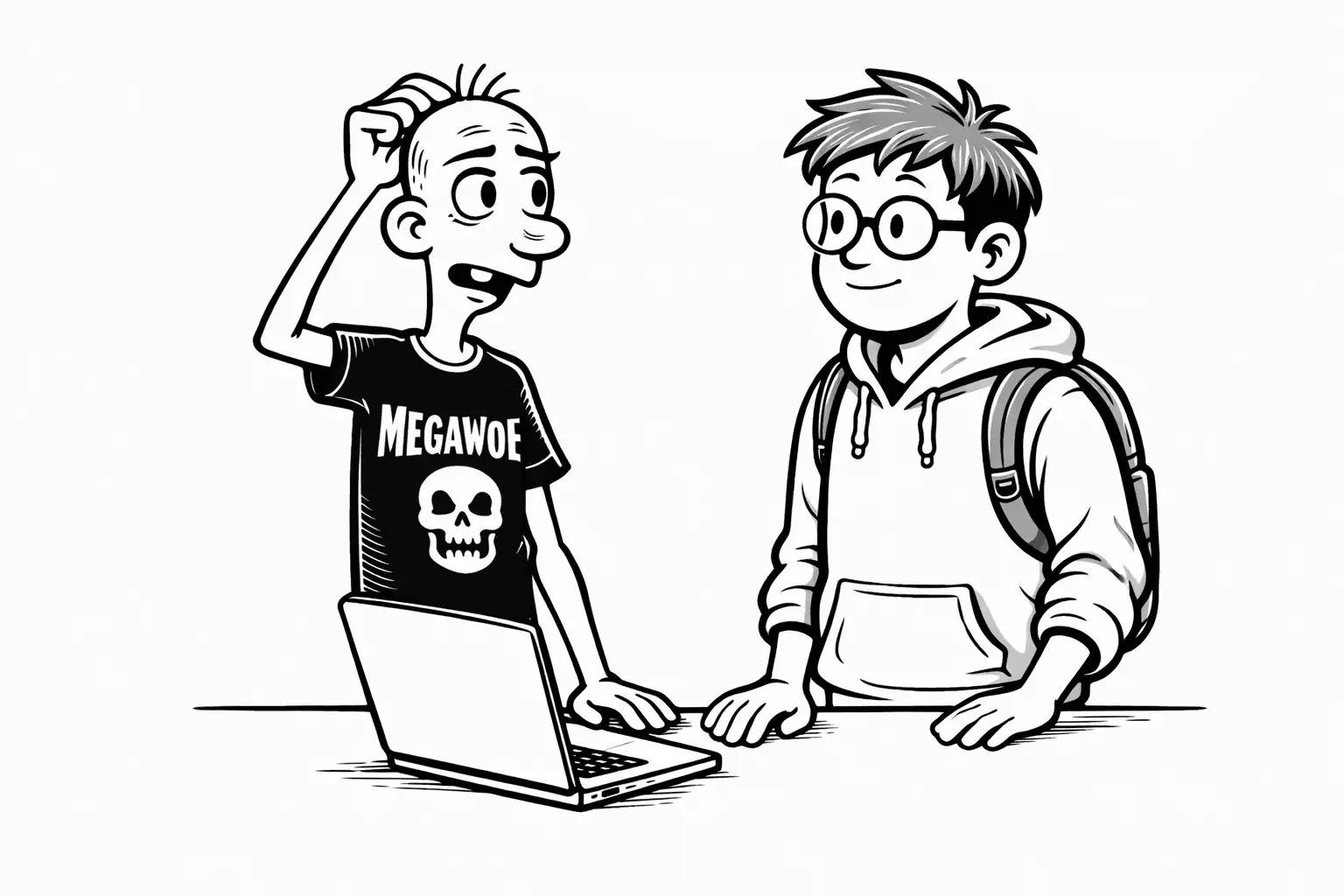
Gary closes the laptop and leans back.
The spreadsheet is open.
The colors are working.
The rules are “there.”
But the day still feels heavier than it should.
When Sam stops by, Gary doesn’t start with structure.
He starts with people.
“It’s not the records”
Gary explains Hank.
Not as a complaint.
As a fact.
“Hank is great,” Gary says.
“He’s fast. He knows what matters.”
Sam nods.
Gary continues.
“But the sheet doesn’t know the difference between fast and careless.”
He points at the laptop.
“It treats everything the same.”
What Gary actually needs
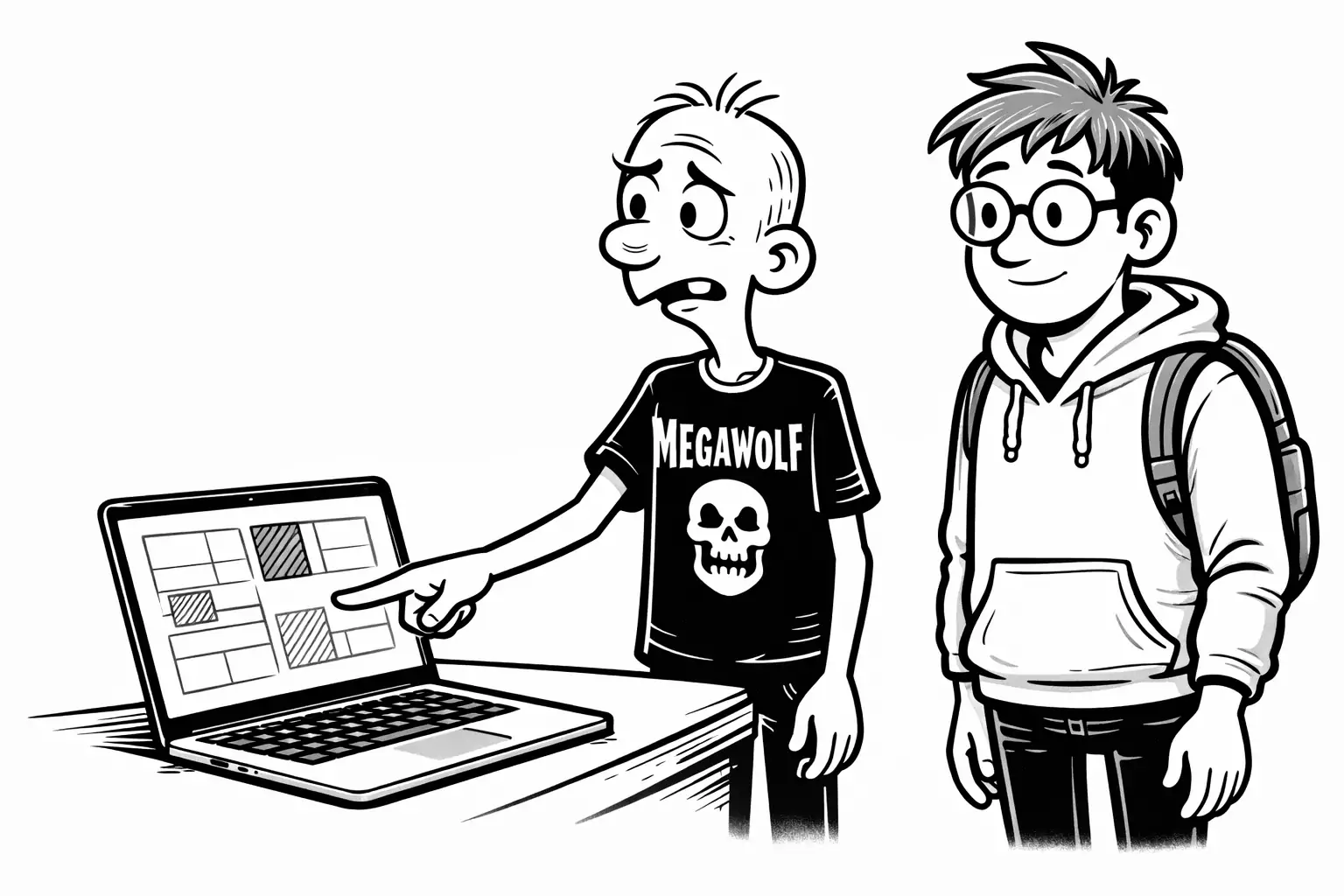
Gary has a short list now.
Not features.
Not tools.
Needs.
- “Some rules should just warn.”
- “Some rules should stop you.”
- “Some rules should only apply to certain people.”
- “And I need to see who did what.”
Sam doesn’t interrupt.
Gary adds one more.
“And when someone bypasses something, I want it to be obvious.”
Not hidden.
Not accidental.
Not something Gary discovers later.
And it’s not just this
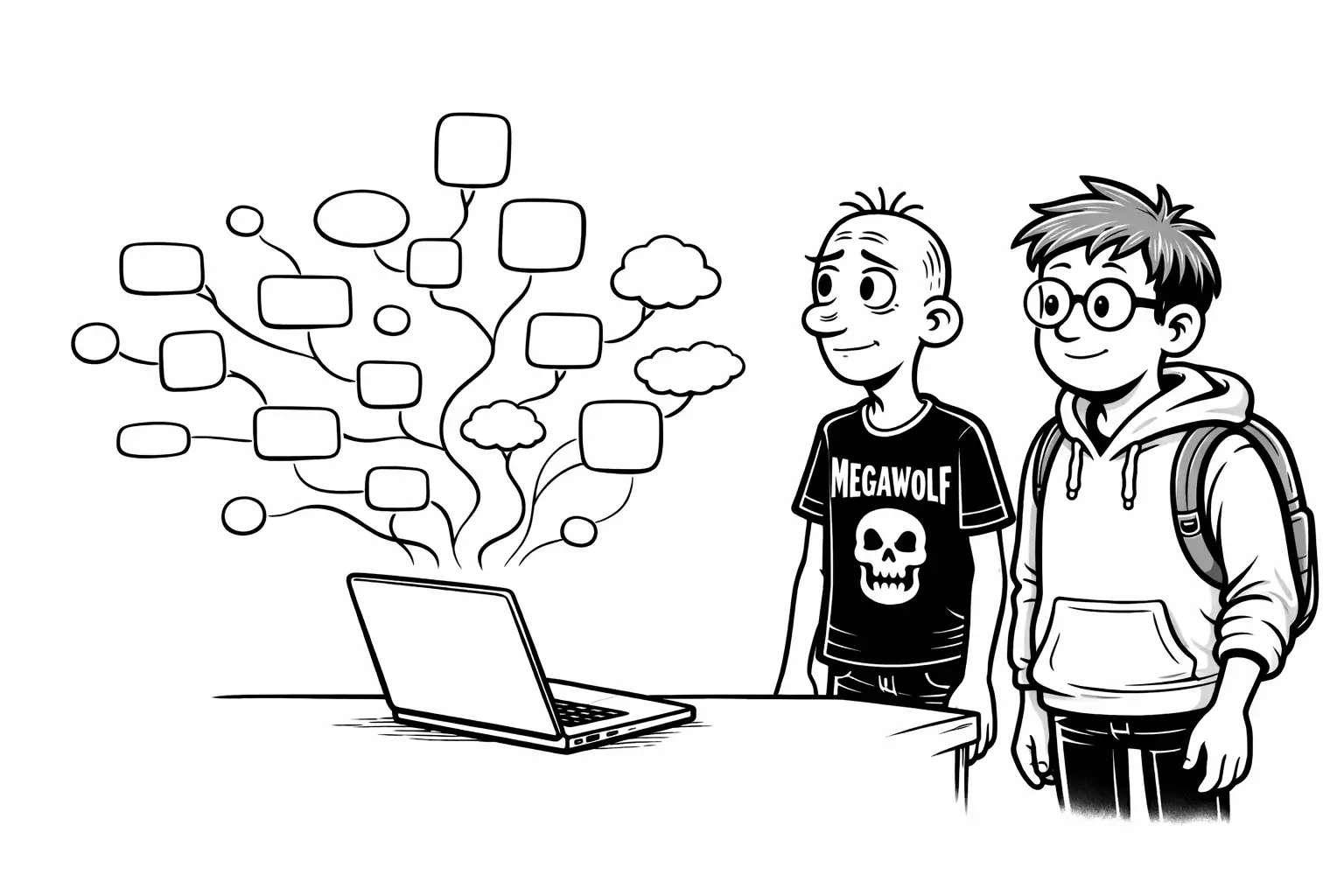
Then Gary hesitates.
Because he has more ideas than problems.
Not urgent ones —
but the kind that keep showing up in quiet moments.
“Someday I might want to track repairs,” he says.
“Or who asked for what record.”
“Or reservations.”
“Or maybe just notes about regular customers.”
He shrugs.
“It’s always something.”
Sam doesn’t dismiss it.
He nods slowly.
Because that’s how real systems grow.
Sam names the turning point
Sam looks at the spreadsheet for a moment.
Then says, calmly:
“You’ve reached the point where Excel can’t carry intent anymore.”
Gary frowns.
Sam continues.
“It can show warnings.
But it can’t enforce.
It can’t control who can override.
And it can’t remember actions.”
Gary doesn’t argue.
He already knows.
That’s why he called Sam over.
“Also… I want to work from home sometimes”
Gary adds it like it’s a small thing.
“But also,” he says,
“some days I’d like to do this from home.”
Sam nods.
“That’s part of the same problem,” he says.
“If the system only works when you’re standing next to this laptop,
it’s not really a system.”
Sam recommends someone
Sam hesitates for half a second — not unsure, just careful.
“There’s a company I know,” he says.
“They build systems specifically for this kind of situation.”
Gary raises an eyebrow.
“What’s it called?”
“DoDone.”
Gary smiles.
“That’s… a good name.”
“Catchy,” Sam says. “And accurate.”
Gary laughs once.
Not because it’s funny.
Because it feels like relief.
“This will take some effort”
Sam is careful now.
“I won’t pretend this is a small step,” he says.
“There will be a lot to digest.
And a different way of working.”
“At first, it will feel slower.”
Gary nods.
He doesn’t need encouragement.
He needs honesty.
“But we’ll do it gradually,” Sam continues.
“One piece at a time.”
“And I’ll help you through it.”
Together.
The spreadsheet becomes a draft
Gary looks back at the screen.
For the first time,
it doesn’t feel like the system.
It feels like a draft.
A good draft.
But still a draft.
Continue reading
In the next chapter, Sam starts with the safest possible step.
Nothing new is invented yet.
Nothing is optimized.
Nothing is automated.
They take what already exists
and place it somewhere that can hold structure without bending it.